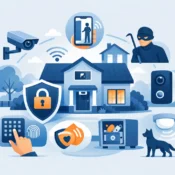


8 Best Ways to Improve Home Security
A front door that looks solid can still be the weakest point in the house. We see it often - a decent-looking door fitted with a tired lock, loose handle or frame that gives too much under pressure. If you are looking for the best ways to improve home security, start with the points an intruder will test first, not the gadgets that look impressive online.
Most break-ins are not complicated. They usually happen because access is easier than it should be. A worn euro cylinder, a poorly aligned door, an unsecured back gate or a ground-floor window with a faulty handle can create an opening. Good security is not about making your home feel like a fortress. It is about removing easy opportunities.
The best ways to improve home security start with your doors
Your main entry points matter more than anything else. Front doors, back doors, patio doors and side entrances take the most wear, and that wear affects security. A lock can meet the right standard on paper but still perform badly if the door is dropping, the keep is misaligned or the handle is loose.
Start by checking how each door closes. If you need to lift it, slam it or force the key, something is already wrong. That kind of strain shortens the life of the lock and can stop it engaging fully. A proper repair or adjustment often improves security more than a quick cosmetic upgrade.
For many homes, replacing an outdated cylinder is one of the simplest improvements. Older euro cylinders can be vulnerable to snapping or forced entry. Anti-snap, anti-pick and anti-drill cylinders offer a much better level of protection, especially on uPVC and composite doors. If your current lock has been in place for years, it is worth having it checked.
Timber doors need a different approach. The lock matters, but so do the hinges, frame strength and screw length. A strong sashlock or deadlock fitted badly is still a weak setup. If the frame has movement or the strike plate is poorly secured, force can defeat the door faster than the lock.
One lock is not always enough
That depends on the door and how you use it. Some homes benefit from a combination of a night latch and a deadlock on the main entrance. Others are better served by a high-quality multipoint locking system in good working order. The right answer is not always more hardware. It is the right hardware, fitted properly, and used consistently.
Windows deserve more attention than they get
A secure front door means less if a window can be opened in seconds. Ground-floor windows are the obvious concern, but first-floor windows over flat roofs, garages or extensions are also common targets. If a person can reach it without much effort, it should be considered accessible.
Window handles and locks wear out quietly. Many people do not notice a problem until the key no longer turns smoothly or the handle feels loose. That is a mistake worth fixing early. Faulty handles, failed locking mechanisms and windows that do not shut tightly all reduce security.
If you rarely lock your windows because the keys are missing or the mechanism sticks, deal with that now. Security only works when people actually use it. In many cases, a repair is enough. In others, replacing worn hardware makes more sense than trying to get another year out of a failing part.
Lighting works best when it solves a real blind spot
Outdoor lighting is one of the best ways to improve home security, but only when it is placed well. Flooding the whole garden with light is not always useful. What matters is removing cover around entrances, side paths, rear access and dark corners where somebody could work unseen.
Motion-sensor lights are often the most practical option. They draw attention without staying on all night, and they are cheaper to run than permanent lighting. Position them carefully. A light that triggers every time a cat walks past soon gets ignored. A light that covers the side gate and back door is much more useful.
Good lighting also helps you. You are more likely to notice damage, tampering or a gate left open when the area is clearly visible. That small detail can stop a problem before it becomes an emergency callout.
Smart locks and cameras can help, but they are not a shortcut
People often ask whether smart security is worth it. Sometimes yes, sometimes no. A smart lock can be very useful if you want controlled access for family members, tenants or trades, and it can remove the risk of spare keys being left in obvious places. But it still needs a sound door, a proper fit and reliable operation.
Cameras and video doorbells are similar. They can deter opportunists and give you a record of what happened, which is useful after suspicious activity or attempted entry. What they do not do is physically secure the property. A camera should support strong locks and solid doors, not replace them.
For landlords and busy households, smart options can make day-to-day access easier. The trade-off is maintenance. Batteries need changing, apps need managing and not every product ages well. If you want smart security, choose practical devices you will actually keep on top of.
Do not ignore the parts around the lock
A lot of security problems sit just outside the lock itself. Loose door handles, weak letterplates, tired hinges, damaged frames and badly fitted keeps can all affect how secure a door really is. The same goes for patio doors that no longer align properly or window frames that have developed play over time.
This is why a proper security check matters. It looks at how the whole entry point performs, not just whether a key turns. A locksmith will usually spot issues that homeowners miss because the door has gradually worsened over months or years.
After a burglary or attempted break-in, act fast
If there has already been an incident, speed matters. Damaged locks, split frames and insecure doors should be dealt with straight away, even if the damage looks minor. An attempted break-in often leaves weaknesses behind that make a second attempt easier.
Temporary fixes can help for a night, but they should not become the long-term solution. Proper burglary repairs restore security and confidence at the same time. That matters more than most people expect, especially if your home no longer feels secure after the event.
Habits still make a difference
The best ways to improve home security are not all about hardware. Everyday behaviour matters. Doors left unlocked while somebody pops out for ten minutes, windows left on vent overnight at ground level, and spare keys hidden near the entrance all create unnecessary risk.
Simple routines go a long way. Lock doors even when you are at home in the evening. Check windows before bed. Keep entry points clear enough that you can see tampering quickly. If a lock starts sticking, do not put off getting it looked at. Small faults often become urgent problems at the worst possible time.
If you have recently moved in, changing the locks is one of the first jobs worth doing. You cannot know how many copies of old keys are still out there or who may still have access. For landlords between tenancies, this is even more important.
When to upgrade and when to repair
Not every home needs a full security overhaul. Sometimes a repair, realignment or single lock upgrade is enough to close the main gap. In other cases, especially after damage or years of wear, replacing multiple components is the safer and more cost-effective choice.
The right decision depends on condition, not guesswork. If a lock is structurally sound but the door is misaligned, repair the door and keep the lock if appropriate. If the cylinder is outdated and vulnerable, replace it. If the mechanism repeatedly fails, stop paying for short-term fixes and fit something dependable.
For homeowners, tenants and landlords, the goal is the same - a property that secures properly every time without force, guesswork or delay. That is usually what gives people peace of mind, not the most expensive product on the market.
A good home security setup should feel straightforward. Doors should shut cleanly, locks should work smoothly, windows should secure properly, and weak points should be dealt with before they turn into a callout. If you are unsure where your property stands, a professional home security survey can often highlight the practical fixes that matter most. SaveMeLocksmith offers that kind of clear, no-nonsense advice because good security starts with knowing what actually needs attention.

Recent Posts
247locksmith: Fast Help When You’re Locked Out
Can a Locksmith Open a Yale Lock?