
Emergency Door Opening Service Explained
You do not think about locks until the moment a door will not open. That usually happens when you are tired, late, carrying shopping, dealing with a child on the doorstep, or trying to secure the house after something has gone wrong. In that moment, an emergency door opening service is not a nice extra. It is the difference between getting safely back inside and standing outside stressed, cold and unsure who to trust.
The problem is that not every locksmith callout is the same. Some jobs are simple lockouts. Others involve failed mechanisms, snapped keys inside the lock, doors that have dropped out of line, or damage after an attempted break-in. The right response depends on what has actually failed, not just on the fact that the door is shut.
What an emergency door opening service actually covers
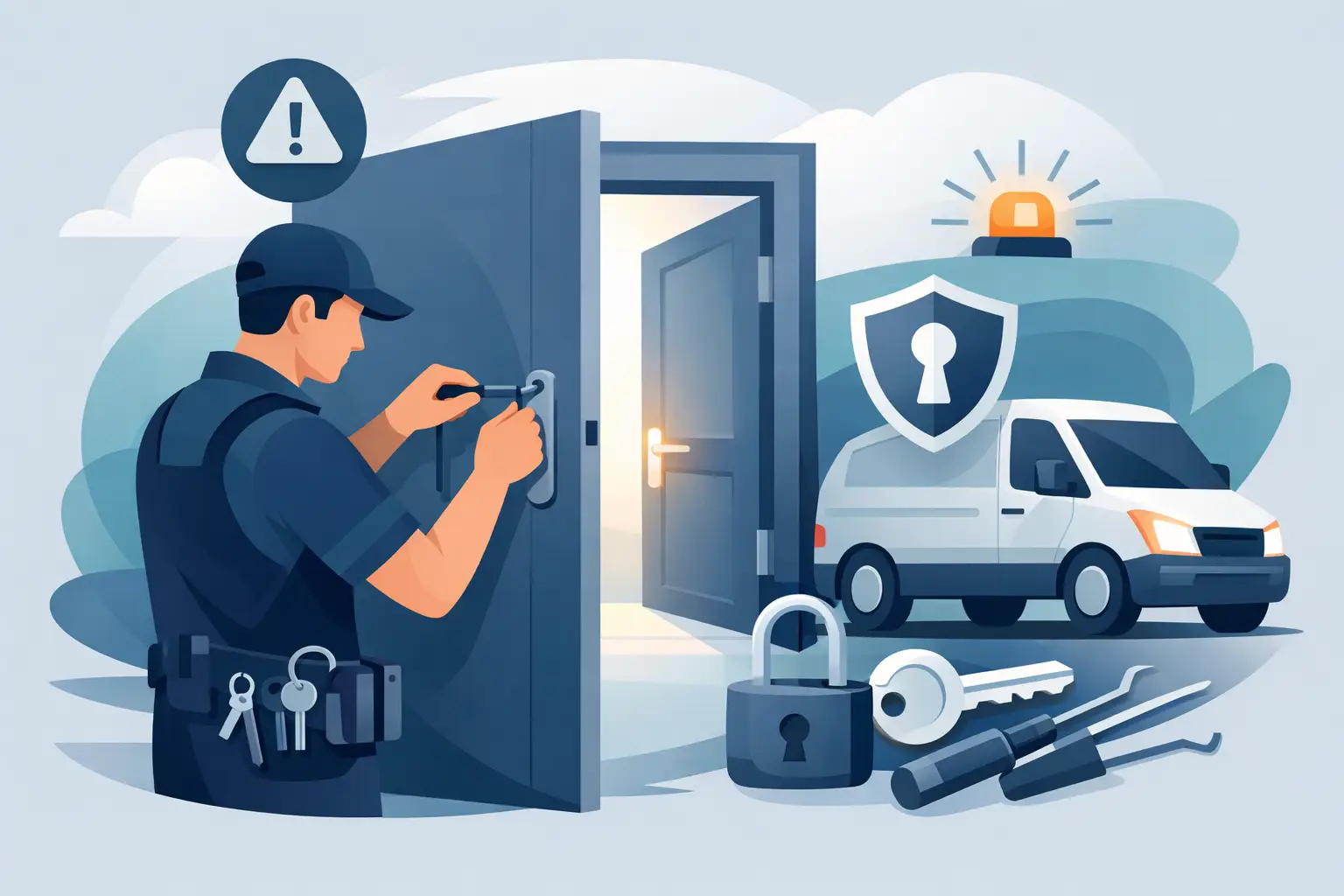
A proper emergency door opening service is about restoring access quickly and with as little damage as possible. That can mean opening a locked front door, gaining entry when the key will not turn, dealing with a jammed multipoint mechanism, or opening a door after the handle has failed.
In many cases, the job is not just about getting the door open. It is also about making sure the property can be secured again afterwards. If a lock has failed internally, if the mechanism is broken, or if the door has been forced, the locksmith may need to repair or replace parts there and then so you are not left with a property that cannot be locked.
That is why speed matters, but so does judgement. A rushed approach can turn a straightforward job into a new repair bill.
Emergency door opening service or full lock replacement?
People often assume a locked door automatically means drilling the lock and fitting a new one. Sometimes that is necessary, but often it is not.
Non-destructive entry is usually the first aim where the lock and door condition allow it. A skilled locksmith will assess the type of lock, the condition of the door, and the cause of the failure before deciding on the method. If the lock has simply shut behind you, there may be a clean way to regain access without replacing anything. If the internal components have failed, replacement may be the only sensible option.
The trade-off is straightforward. Preserving the existing hardware is usually better for cost and convenience, but only if the lock is still safe and reliable afterwards. If the lock is already worn, damaged or insecure, replacing it is often the better long-term decision.
What happens when you call
When you need urgent help, you want a clear answer, not a long script. A good local locksmith should ask a few practical questions: what type of door it is, whether the key is available, whether the door is simply closed or fully locked, and whether there is visible damage.
That short conversation helps the locksmith judge what tools and likely parts may be needed. It also gives you a clearer idea of the callout and what the next step will be. If a price can be given before work begins, that removes a lot of the stress straight away.
On arrival, the door should be inspected before any work starts. That matters because a uPVC door with a failed gearbox is a different job from a wooden door with a night latch problem, and different again from a lock damaged during a burglary. The fix should fit the fault.
Why non-destructive entry matters
People often call in a panic and just want the door opened as fast as possible. That is understandable. But speed without care can leave you with damage to the frame, the cylinder, the handle set or the mechanism.
Non-destructive entry matters because it protects the door as well as the lock. If the issue can be resolved cleanly, you avoid extra repair costs and reduce the chance of the same door becoming harder to secure later on. This is especially important on modern composite and uPVC doors, where forcing the wrong part can create a much bigger job.
That said, there are times when destructive methods are the only safe option. If a lock is completely seized, badly damaged or compromised, drilling may be necessary. The key point is that this should be explained before work starts, along with what needs replacing and why.
Common reasons doors stop opening
Most emergency callouts come down to a small number of faults. The key may no longer turn because the cylinder has failed. A multipoint locking mechanism may jam halfway. The handle may lift but not engage properly, or the handle itself may go loose or stop working. Sometimes the door has shifted slightly with wear, weather or age, which puts pressure on the lock and makes access difficult.
Broken keys inside locks are another common cause, but the real issue is not always the fragment itself. In some cases, the key snapped because the lock was already stiff or failing. Removing the broken piece solves one part of the problem, but the lock may still need attention.
After an attempted burglary, the fault is often more obvious. The cylinder, handle or mechanism may be visibly damaged, and entry may be only one part of the response. The property then needs to be secured properly, often on the same visit.
Choosing the right locksmith when it is urgent
This is where people can make a bad situation worse. Under pressure, it is easy to ring the first number you see and hope for the best. But urgent does not mean you should accept vague pricing, outsourced call handling or no clear explanation of the work.
Look for direct contact with the locksmith, not a national switchboard passing the job elsewhere. You want to know who is attending, how quickly they can realistically get there, and whether they will explain the cost before starting.
Trust markers matter more in an emergency, not less. Clear pricing, guaranteed work, DBS-checked technicians and a local presence all help reduce the risk of overcharging or poor workmanship. If someone cannot explain the likely approach in simple terms, that is not reassuring when they are about to work on your front door.
For householders and landlords in places like Crawley, Horsham or Horley, using a local operator usually means faster attendance and better accountability. You are dealing with someone whose reputation depends on nearby customers, not anonymous dispatch.
What affects the price
Emergency locksmith prices vary because the jobs vary. Time of day can affect the callout, especially overnight. The type of lock and door matters. So does whether the issue can be resolved non-destructively or whether replacement parts are needed.
A simple lockout is usually different in cost from a failed mechanism on a multipoint door. A burglary repair may involve more labour and more parts. The sensible question is not just, "What is your cheapest price?" but, "What is included, and will you confirm the cost before work begins?"
Cheap headline quotes can be misleading if they do not include the actual job. Clear pricing before the work starts is far more useful than a low starting figure that rises once the door has been touched.
After the door is open
Getting back inside is usually the immediate relief point, but it should not be the end of the conversation if the underlying fault remains. If the lock is stiff, the mechanism is worn, or the door alignment is poor, the same problem can happen again, often at a worse time.
A good locksmith should tell you whether the current setup is still serviceable, needs repair, or should be upgraded. That does not mean pushing work you do not need. It means being honest about what will keep the property secure and what is likely to fail again.
Sometimes the right answer is a straightforward repair. Sometimes it makes more sense to change the lock to a higher-security option or replace worn components before they cause another lockout. It depends on the condition of the hardware, the age of the door and how the property is used.
When to call straight away
If you are locked out, cannot secure the property, have a snapped key in the lock, or the door has been damaged after a break-in attempt, it makes sense to call immediately. The same applies if the lock is getting harder to use and has suddenly reached the point where the door will not open at all.
Waiting can turn a manageable repair into a full failure. A stiff lock today can become a jammed door tonight. If the property is insecure, delayed action is rarely worth the risk.
That is why a reliable emergency response matters. You want someone who turns up promptly, explains the problem clearly, works carefully and secures the property before leaving. In a stressful moment, that sort of straightforward service is what people remember - and what they need most.

Recent Posts
7 Best Locks for Front Doors
Emergency Locksmith Callout Guide